

You probably saw the headlines last month. “Marijuana moved to Schedule III.” “DOJ reschedules cannabis.” “Biggest federal cannabis shift in 50 years.”
And if you’re one of our customers, or anyone who relies on a daily hemp CBD routine, you likely have one very reasonable question: Does this affect me?
Short answer: no, not directly. Your trusted hemp CBD products are not changing overnight. But the longer answer is more interesting, and worth understanding, because the broader conversation around cannabis just took a meaningful step forward. Let’s walk through it together.
What actually happened on April 22, 2026
On April 22, 2026, Acting Attorney General Todd Blanche signed a formal order moving certain cannabis products from Schedule I of the Controlled Substances Act to Schedule III. [Source: U.S. Department of Justice press release, April 23, 2026]
That’s a big deal. Schedule I is the most restrictive federal drug category, historically reserved for substances the government has classified as having no accepted medical use. Schedule III is a very different category, shared by medications like ketamine and Tylenol with codeine. [Source: NPR, April 23, 2026]
The short version
The order applies to two specific groups:
FDA-approved cannabis drug products, and cannabis products regulated by a qualifying state-issued medical marijuana license. [Source: DOJ press release, April 23, 2026]
It does not broadly legalize cannabis. It does not affect recreational marijuana. And critically for anyone reading this blog: it does not alter the federal framework for hemp-derived CBD. That legal framework was established years ago, under a different law entirely, and it operates on its own track.
Why hemp CBD has always been on a different legal track
Here’s a detail that often gets lost in the headlines: hemp and marijuana come from the same plant family (Cannabis sativa L.), but under U.S. federal law, they are treated as two very different things.
The turning point was the 2018 Farm Bill, formally called the Agriculture Improvement Act of 2018. That legislation carved hemp out of the federal definition of “marijuana” and removed it from the Controlled Substances Act altogether. [Source: Congressional Research Service, “Change to Federal Definition of Hemp”]
In plain English: since 2018, hemp-derived CBD has not been a controlled substance at the federal level. It has been legal to cultivate, process, and sell, provided the finished product contains no more than 0.3% delta-9 THC by dry weight.
So when the DOJ moved medical marijuana to Schedule III this week, it was, in a sense, catching up to a category (hemp) that was already legally distinct.
Hemp vs. marijuana: a quick botanical clarifier
If you’ve ever felt a little fuzzy on the difference, you’re not alone. Here’s the clearest way to think about it:
Both plants produce cannabinoids, including CBD. The legal line between them is drawn at delta-9 THC content. Hemp is defined as cannabis with 0.3% or less delta-9 THC by dry weight. Marijuana is cannabis above that threshold. CBD itself is not intoxicating, and it shows up naturally in both varieties of the plant. [Source: Congressional Research Service, “The 2018 Farm Bill’s Hemp Definition”]
Our formulas at BioCBD+ are made with hemp-derived, water-soluble CBD. Which means the April 22 rescheduling order is, from a legal classification standpoint, not about our category.
What rescheduling does (and doesn’t) change for CBD consumers
Let’s get concrete. If you’re ordering your Total Body Care Capsules next month, what changes?
What stays the same
Your daily routine. Your access to hemp CBD wellness products. The legal status of the hemp-derived CBD industry. The 2018 Farm Bill framework is still the governing law for hemp.
Product quality standards. Our formulas still pair hemp CBD with organic turmeric and traditional Ayurvedic botanicals, still use our patented water-soluble delivery system, still follow the same third-party testing protocols we’ve used since 2014.
Shipping and ordering. Nothing about your customer experience changes because of this federal order.
What may shift over time
Research access is the most immediate and exciting change. Moving cannabis from Schedule I to Schedule III substantially reduces the barriers that have historically made it difficult for U.S. researchers to study cannabinoids. [Source: NPR, April 23, 2026] More research means more peer-reviewed science on how cannabinoids interact with the body, and that benefits everyone in the wellness space, including hemp CBD consumers.
Mainstream medical conversation is also likely to evolve. When a federal agency formally acknowledges that a plant compound has accepted medical use, that language shifts how doctors, journalists, and the general public talk about cannabis as a whole.
Industry credibility, which we’ll come back to in a moment.
Why this is quietly good news for the cannabinoid wellness category
Here’s the bigger picture, and it’s worth sitting with for a moment.
For decades, U.S. federal policy treated the entire cannabis plant as if it had no legitimate role in human health. That framing shaped everything: how the FDA approached cannabinoid research, how universities funded studies, how doctors felt comfortable discussing it with patients, how insurance companies viewed wellness products in the category.
The April 22 order begins to unwind that framing. Industry observers have noted that federal acknowledgment of cannabis’s medical value strengthens the broader argument that hemp-derived cannabinoids should be governed by science, manufacturing standards, and consumer safety. [Source: Cannabis Business Times, stakeholder response coverage]
We’ve always believed that. For more than 3,000 years, Ayurveda, the traditional healing system of India, has treated the whole plant as potential medicine, understanding that botanicals work with the body rather than on it. The Sanskrit word vijaya, which means “victory,” was one of the traditional names for cannabis in classical Ayurvedic texts, and it was used thoughtfully alongside turmeric, ashwagandha, and other supportive herbs.
In a small way, federal policy is beginning to meet ancient wisdom where it has always been: the plant has value when used with care, respect, and science behind it.
What to watch for in the months ahead
This rescheduling order is not the end of the story. Legal analysts have flagged several developments worth tracking:
An administrative hearing is scheduled to begin June 29, 2026, to consider broader rescheduling questions. [Source: DOJ press release, April 23, 2026] That hearing will shape what happens to cannabis products outside the currently covered categories.
Ongoing hemp-specific legislation in Congress will continue to define the hemp CBD landscape independently of the rescheduling process. This is the piece that most directly affects our industry, and we’ll keep you posted as it develops.
Court challenges are possible. The legal theory supporting the Acting Attorney General’s authority to issue this specific order is already being discussed by cannabis law practitioners, and we may see that tested. [Source: Duane Morris Cannabis Industry Blog, April 23, 2026]
In other words: the conversation is just getting started. We’ll continue writing about it here as meaningful developments emerge, in the same plain-English voice we try to use for everything.
How we’re thinking about it at biocbd+
biocbd+ has been making hemp CBD products since 2014, through three Farm Bills, multiple FDA guidance cycles, and more headline whiplash than we can count. What we’ve learned: the consumers who choose us aren’t choosing us because of the news cycle. They’re choosing us because they want a thoughtful, Ayurvedic-rooted formula that actually absorbs well and fits into a real wellness routine.
That focus hasn’t changed. Our patented water-soluble technology is still what sets our formulas apart on the shelf, and our co-formulation with organic turmeric reflects a tradition much older than any U.S. drug schedule. The policy landscape will keep shifting. What we bring you won’t.
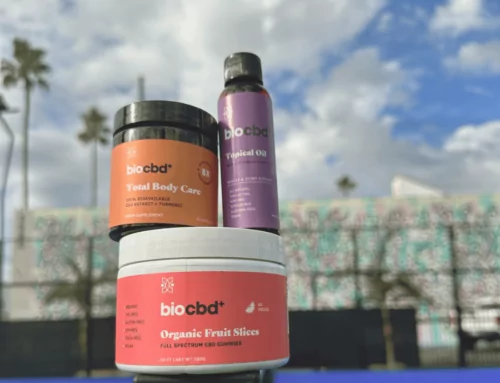
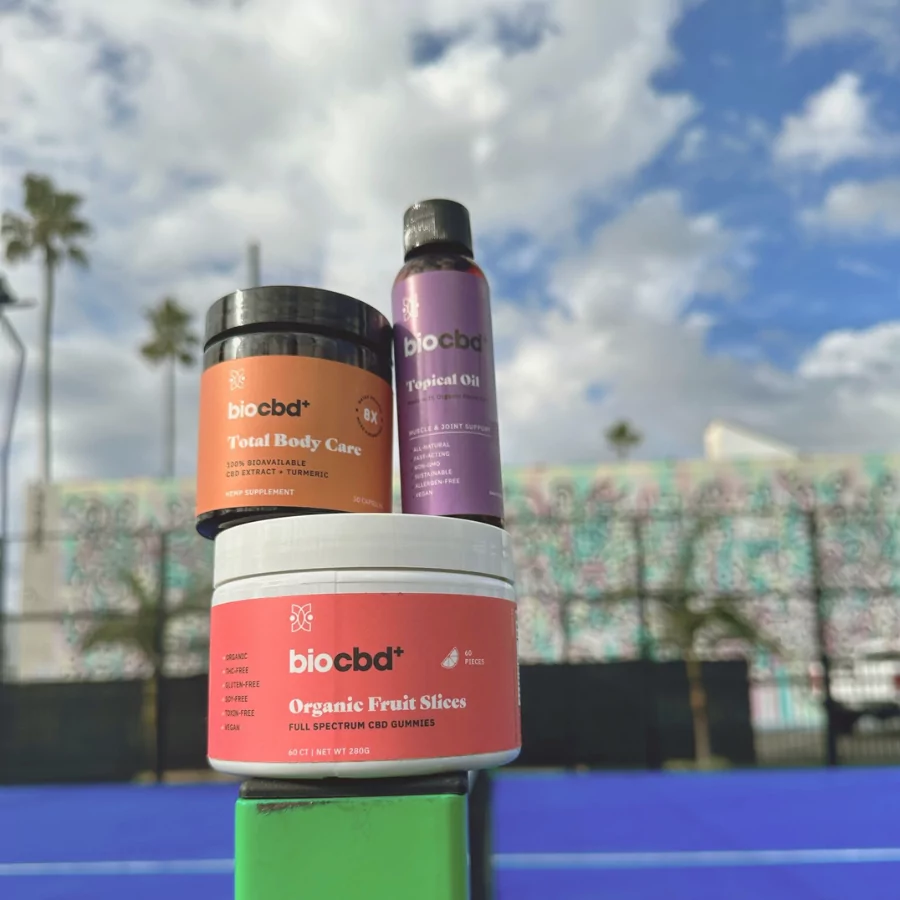
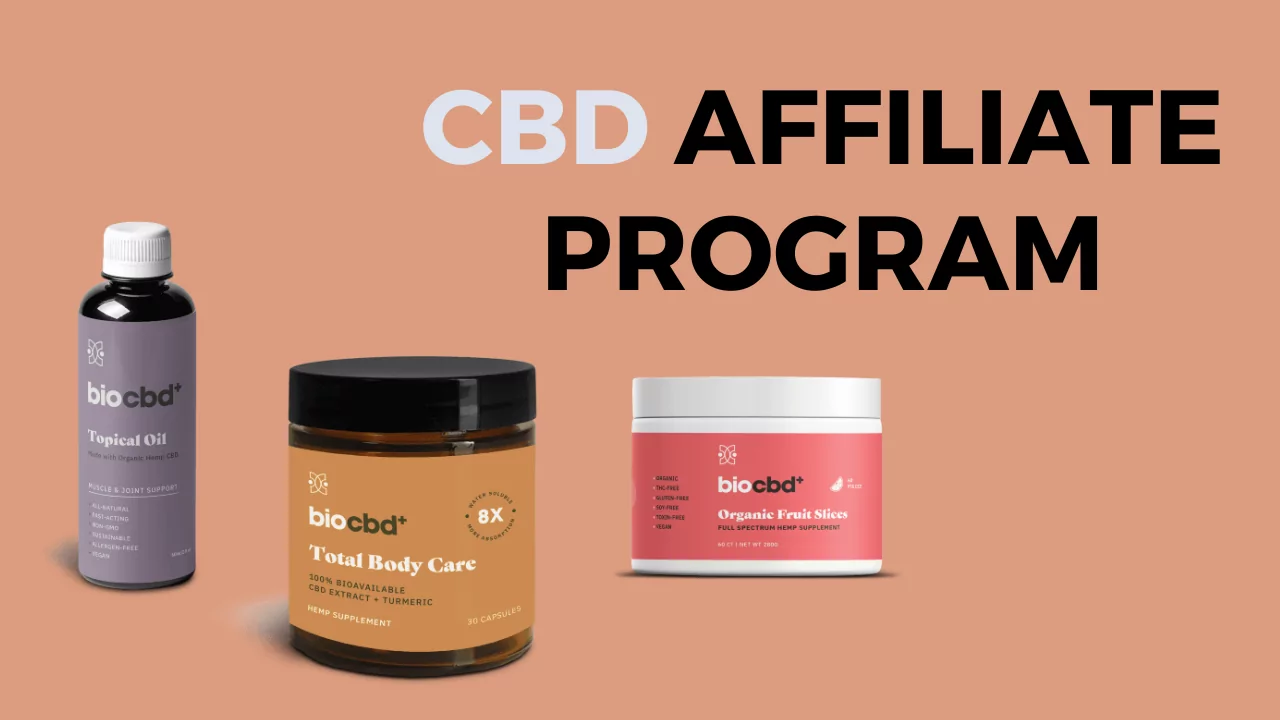
If you’d like to explore our approach, our Total Body Care Capsules remain our flagship for daily whole-body wellness support, and our Muscle & Joint Relief Topical Oil is what our customers reach for when they want targeted, topical comfort.
We’ll keep explaining the headlines in plain language as they come. That’s what we’re here for.